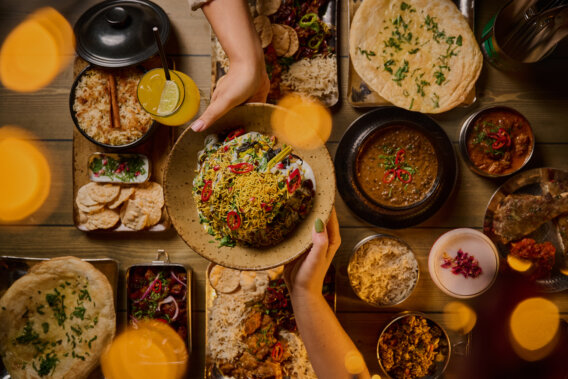
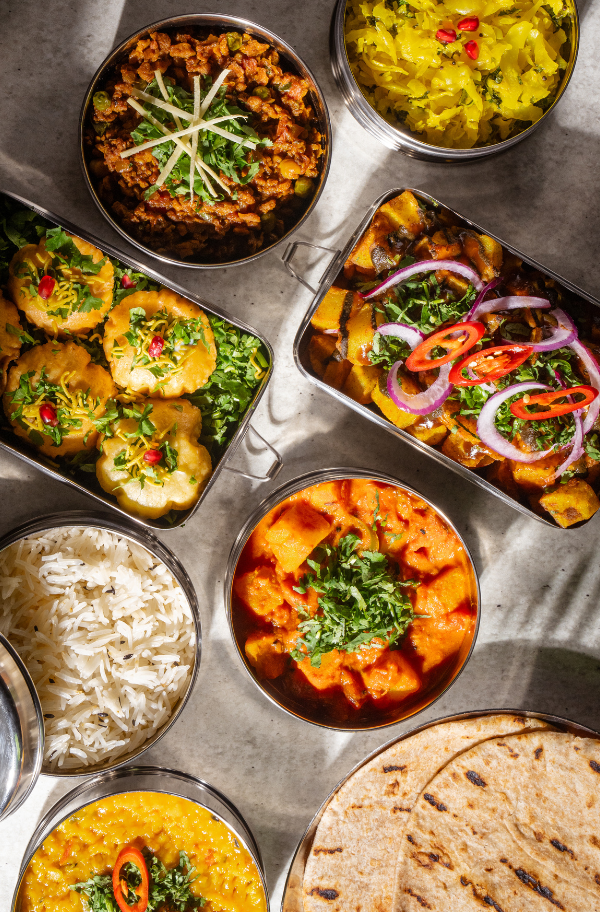
If you’ve spent any time looking for health food options when eating out in the UK, you’ve probably noticed a bit of a pattern. All too often, choosing the plant-based route means settling for a processed fake meat burger or a salad that leaves you dreaming of a midnight toastie. It can feel like a compromise, your health over delicious flavours, ethics over indulgence.
But what if there was a world where meat-free wasn’t an afterthought? A world where dishes have been naturally plant-based for thousands of years, relying on the magic of spices rather than a laboratory to create deep, lip-smacking flavour? Welcome to the world of Indian street food.
Whether you’re hunting for the perfect lunch in Manchester, a vibrant dinner in Brighton, or just trying to find a healthy Indian food experience in Edinburgh, it’s time to move past the classic vegetable korma. Let’s look at the best vegan Indian dishes that are guaranteed to change the way you think about plant-based dining.
Why does Indian food make such great-tasting vegan options?
Long before veganism became so popular around the globe, a huge portion of the Indian subcontinent was living and cooking on a purely plant-based diet. Rooted in ancient traditions and regional cultures, the art of vegetarian and vegan cooking in India is highly sophisticated.
In the West, a meal is often built around a central piece of meat, with vegetables acting as the supporting cast. In an Indian street food restaurant, the vegetables, lentils, and chickpeas are the main event. They aren’t trying to mimic chicken or beef and are just celebrated for exactly what they are.
By utilising common spices in Indian cuisine such as cumin, turmeric, ginger, and tamarind, these dishes unlock depths of flavour that make you completely forget about meat. It’s the ultimate hack for anyone looking for healthy food options when eating out because it’s inherently high in fibre, packed with plant protein, keeps you satiated, and tastes great!
Let’s take a closer look at some of the best vegetarian plates you should consider ordering the next time you stop by an Indian street food restaurant in the UK.
Vegan Street Chat
Let’s kick things off with a few starter or small plate options for our vegan friends. Chat (or Chaat) refers to the savoury snacks sold by roadside vendors. They are designed to hit every taste receptor at once. They are sweet, sour, salty, spicy, and incredibly crunchy, all in one. If you think vegan food is boring, these starters will happily prove you wrong.
The iconic yoghurt chat bombs
If you’ve never experienced a chat bomb, prepare to have your mind blown. Traditionally made with dairy, this crowd favourite has been adapted by the modern street food scene across the UK for the plant-based community, using vegan yoghurt.
These are crisp, hollow pastry puffs filled with spiced chickpeas, infused with tangy tamarind and bright mint-cilantro chutneys, and topped with a drizzle of plant-based yoghurt. You pop the entire thing in your mouth in one go. It is a literal explosion of texture and tastes.
Bhel Puri
If you want something incredibly light yet utterly addictive, look no further than Bhel Puri. This is Indian street food at its finest. It’s an exciting combination of puffed rice, crunchy sev (fine chickpea-flour noodles), potato, and red onion, all infused with a sweet-and-sour tamarind water. It’s fresh, and it pairs perfectly with a cold drink on a sunny afternoon in Bristol or Cardiff.
Treacle Tamarind Fries
Forget standard chips. The pinnacle of vegan street snacking is thick-cut, golden potato fries tossed in a sticky, sweet, and tart treacle-tamarind glaze. It’s sticky, savoury, and beautifully caramelised. It’s the perfect side plate to go along with a refreshing meal at an Indian street food restaurant.
Indian Dahl
Lentils are a huge favourite in the plant-based world. They are packed with protein, incredibly sustainable, and, when seasoned with the right Indian spices, become a great comfort food that suits a vegan diet.
The secret to a next-level dhal lies in the cook’s patience and the power of the Tarka, the process of frying whole spices in a splash of oil until they pop and sizzle, then swirling that directly into the simmering lentils just before serving. It creates a smoky, multi-layered depth that warms you from the inside out.
The temple dahl
This is the benchmark of traditional Indian home cooking. A slow-cooked blend of red lentils split with toasted cumin and golden turmeric. The name “Temple Dahl” reflects the wholesome food served to millions daily in India’s communal kitchens.
If you’re looking for clean, comforting health food options when eating out, a bowl of this with some basmati rice is a fantastic option and totally vegan-friendly.
The green ginger and rhubarb dahl
For those who want to try something a little more different and unique, this is a culinary masterpiece you probably haven’t tried yet. This dish marries the earthy undertones of green mung lentils with the fruity tartness of fresh rhubarb and the kick of ginger.
It sounds wild, but the acidity of the rhubarb cuts through the creaminess of the lentils beautifully. It’s a more modern take on regional Indian cooking that is taking the vegan food scene by storm.
Hearty and wholesome mains
Now let’s move on to the mains. When it comes to main courses, you don’t need dairy or meat to create a dish that feels like a feast. The mains we are going to go over rely on slow-simmered spices and hearty, earth-grown ingredients to deliver that classic Indian taste without a single animal product in sight.
Instead of hiding behind the heavy, masking fats of cream or butter, these dishes use layers of spices, tomatoes, and natural juices to build a thick, glossy sauce that coats every ingredient beautifully. It’s a cooking style that proves plant-based dining can be both satisfying and uncompromising, making it the ultimate choice for anyone hunting down genuine healthy food options when eating out across the UK.
Tea-steeped chickpeas
This is a legendary Indian street food dish. Chickpeas are gently simmered in black tea leaves alongside a rich masala of ginger, garlic, tomatoes, and spices. Now, you might be thinking, “Isn’t the tea going to make the dish taste like a cuppa?” Most certainly not! Instead, it gives them a nice, deep, dark colour and a subtle, earthy tannin depth that makes the chickpeas incredibly rich and tender.
The picnic potato
The potato is a rather simple ingredient, but it can be so versatile when it comes to Indian dishes. The picnic potato is a great example. This dish features golden, cubed potatoes tossed with fenugreek leaves, fennel seeds, and mustard seeds.
It’s dry-roasted to perfection, giving the potatoes a lovely spiced crust. It’s another perfect comfort-food option, savoury, aromatic, and it’s going to fill you up, even though you might still be craving more.
The holy chow
If you’re going in hungry (which you should be doing) and want something substantial, look out for the holy chow. This dish is a hearty combination of spiced chickpea curry housed inside a hollowed-out loaf of fresh bread.
It’s a nod to the famous South African “Bunny Chow,” which was originally created by Indian workers in Durban who needed a portable way to carry their lunches to the plantations. It’s a bit messy, but definitely worth it for all the incredible flavours hidden beneath the load.
What spices make vegan Indian food work so well?
To truly appreciate these vegan Indian dishes, it helps to understand what’s happening in the kitchen. When you remove meat and dairy (which often serve as crutches for flavour through fats and cream), the chef has to rely entirely on the art of spice blending.
Here are some of the most common spices you will find in your vegan Indian dishes:
- Tamarind: This is the secret weapon of vegan street food. It provides that lip-smacking, sour-sweet contrast that replaces the need for heavy fats.
- Fenugreek (Methi): This herb gives Indian food a distinctly savoury, maple-syrup-like aroma. It adds a wonderful depth to potato and lentil dishes.
- Mustard seeds: When popped in hot oil, they release a nuttiness that grounds vegetable dishes, giving them a distinct rustic flavour.
- Amchoor (Green mango powder): This adds a sharp, fruity tang, ensuring that dishes feel light, bright, and fresh rather than heavy.
Discover vegan Indian food at Mowgli
The UK’s food culture has grown significantly over the last few years. We are no longer satisfied with a token mushroom risotto or a bland vegan sausage. Whether you are living a fully vegan lifestyle or just trying to incorporate more health food options when eating out, the shift toward authentic, spice-driven food is here to stay.
If your mouth is watering just reading about green ginger dhal and vegan yoghurt chat bombs, it’s time to come and pull up a seat with us. At Mowgli, our menu reflects how real Indian families eat at home, and that includes incredible vegan options.
From our house-made temple Dahl and tangy treacle tamarind fries to our showstopping holy chow, every single dish is cooked fresh to order using the exact recipes passed down through Indian family homes. We love our spices and our plants, and we can’t wait to share them with you.
Ready to try the best vegan Indian dishes you haven’t tasted yet? Book your table at Mowgli today and join the vegan street food revolution!